Tel: 0086 13110098815
Email: yao@aladpower.com
Address: 1-2718, Building 2, Xianzhigu, No. 10, Meiyuan Road, Huayuan Industrial Zone, Binhai Hi-tech Zone, Tianjin City China.

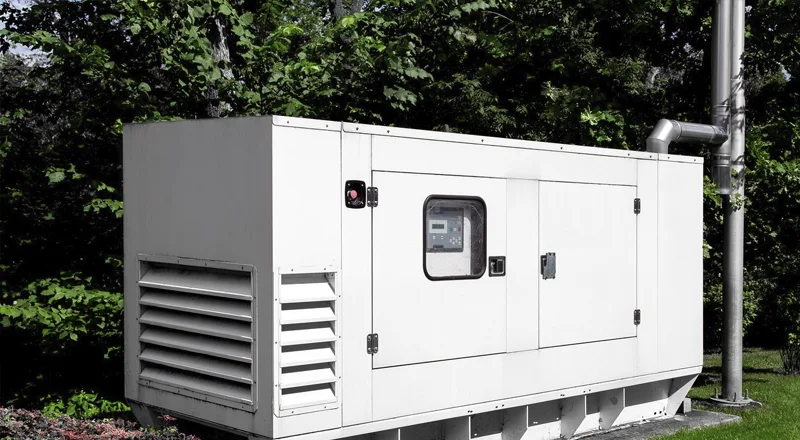
With corporations facing pressure to decarbonize, diesel generator makers are pivoting to renewable fuels like hydrotreated vegetable oil (HVO) and biodiesel blends. These alternatives reduce CO2 emissions by up to 90% compared to conventional diesel.
In 2024, the U.S. military tested 100% HVO-powered generators at Fort Bragg, North Carolina, achieving a 85% reduction in particulate matter. Similarly, Amazon Web Services (AWS) now runs backup generators on B20 biodiesel (20% biofuel) at its Oregon data center.
Market Drivers: